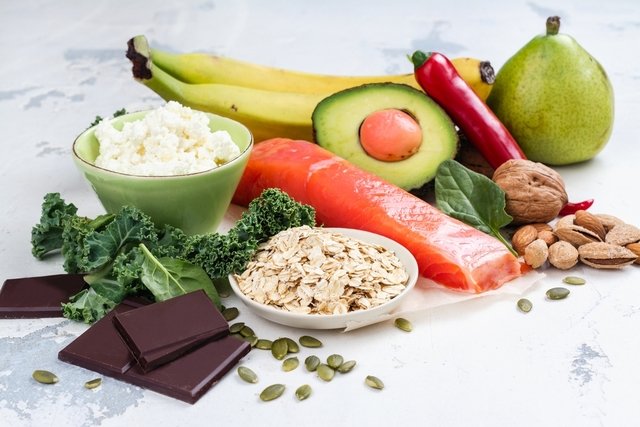
Energy foods are those that, when digested, provide energy to maintain all the body’s vital functions and day-to-day activities. These foods are mainly rich in carbohydrates, such as bread, potatoes and rice, and fats, such as olive oil and avocado.
Each 1 gram of carbohydrate provides 4 calories of energy for the body and each 1 gram of fat provides 9 calories. The recommended daily intake of carbohydrates should be between 55 and 60% of the total calories in the diet, and the recommended daily intake of carbohydrates should be be between 30 and 35%. However, it is also important to consume regulatory foods daily, as they are rich in vitamins, minerals, fiber and water. See what the regulating foods are.
Although proteins also provide energy, the body only uses them for this purpose in emergency cases, such as prolonged fasting, for example. Therefore, proteins are classified as building foods, since their main function in the body is to build tissues.

What are worth for
The main function of energy foods is to provide the body with energy in the form of calories, that is, they are the fuel for the body’s cells to maintain all vital functions, such as breathing and maintaining the functions of the brain and heart, for example. example, or also for carrying out activities, such as walking or running.
However, these foods can also be rich in other nutrients, such as vitamins, minerals, fiber and antioxidant compounds that promote overall health. The amount of energy-dense foods you should consume daily varies from one person to another, as this will depend on weight, health status, age, gender and whether or not you perform physical activities.
Some energy foods are also considered building foods, as in addition to fats and carbohydrates, they also have a high protein content, as is the case with salmon and nuts, for example, which are rich in fat and also in proteins. See what builder foods are and what they are.
Types of energy foods
The main types of energetic foods that can be included in your diet are:
1. Cereals and tubers
Cereals and tubers are a group of foods rich in carbohydrates that are essential for the diet, as they have a high energy value (as they are rich in starch), in addition to being low in cost compared to other foods.
It is recommended to prioritize the consumption of cereals in whole form, as this way the grains do not go through the refinement process, thus providing good amounts of fiber for the body as well. Discover the health benefits of fiber.
Some types of cereals are rice, rye, barley, oats, corn and wheat. In the case of tubers, we can find potatoes, sweet potatoes, cassava, yacon, yams and cassava.
2. Fruits
Fruits are also rich in carbohydrates as they contain fructose, better known as fruit sugar. However, these foods are also rich in vitamins, fiber, minerals and antioxidant compounds, which help maintain health, in addition to preventing premature aging and the emergence of chronic diseases.
The recommended fruit intake per day is 2 to 3 servings, which corresponds to 160g to 240g per day. In addition, it is recommended that fruits be consumed whole and with the skin, to help increase fiber intake.
3. Oilseeds
Oilseeds are foods rich in fat, in addition to providing fiber, B vitamins, vitamin E and minerals such as calcium, potassium, magnesium and phosphorus.
Some types of oilseeds include hazelnuts, walnuts, Brazil nuts, almonds, macadamia nuts, pine nuts, peanuts, pistachios and cashew nuts.
4. Legumes
Legumes are seeds that contain great amounts of carbohydrates and fiber, but also provide proteins and B vitamins for the body. The foods that belong to this group are lentils, chickpeas, beans, peas and soybeans. Discover all the health benefits of legumes.
5. Oils and seeds
Oils such as olive oil, coconut oil and avocado, as well as flaxseed, chia, sesame and sunflower seeds are rich in healthy fats. However, they are foods that should be consumed in small portions due to their high calorie content.
6. Fatty fish
Fatty fish, also known as blue fish, are those whose meat is rich in fat, as they live in very cold waters, as in the case of salmon, sardines, trout, and tuna.
Read too: Natural energy drink: 6 delicious recipes for training (and how to prepare)

Sign up for our newsletter and stay up to date with exclusive news
that can transform your routine!
Warning: Undefined array key "title" in /home/storelat/public_html/wp-content/plugins/link-whisper-premium/templates/frontend/related-posts.php on line 12
Warning: Undefined array key "title_tag" in /home/storelat/public_html/wp-content/plugins/link-whisper-premium/templates/frontend/related-posts.php on line 13