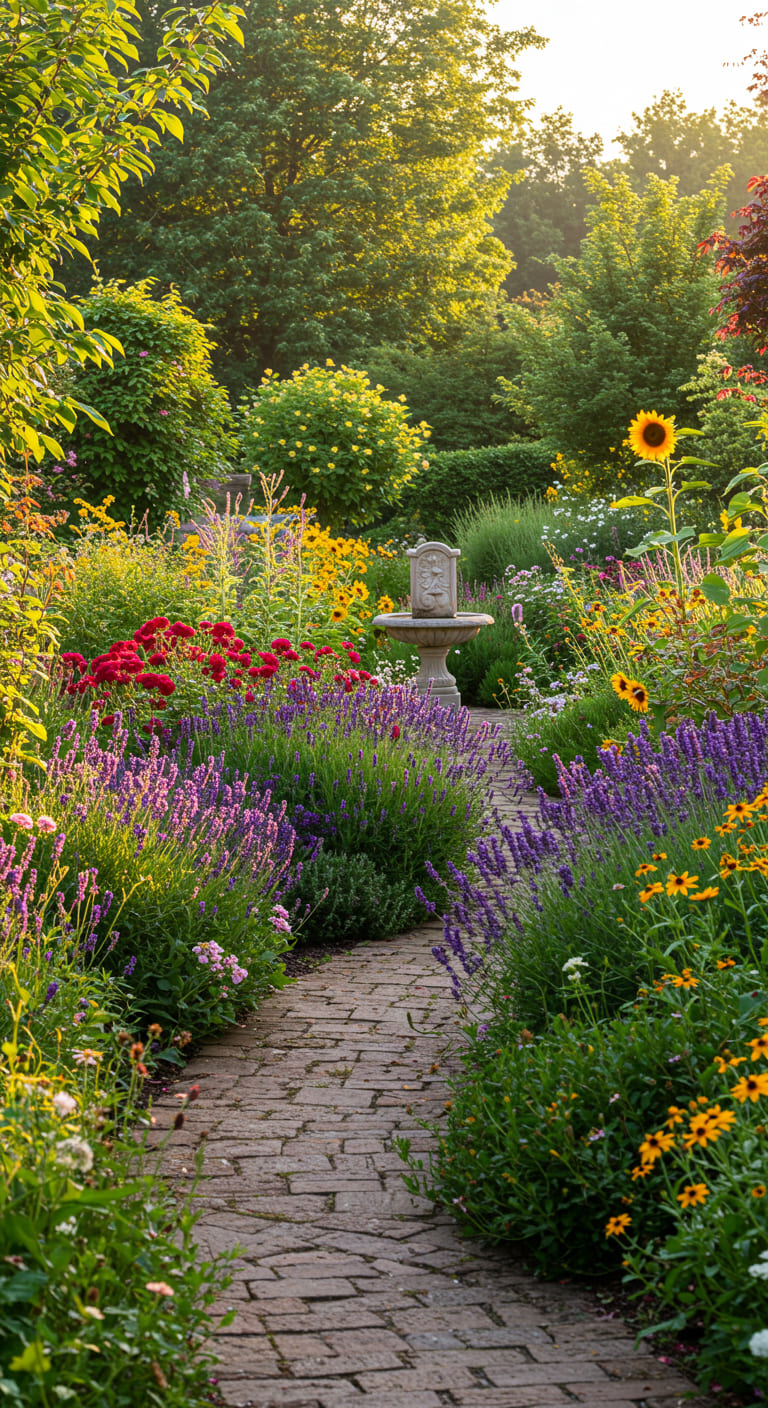
As I delve deeper into gardening, I often find myself pondering the best ways to enhance both the beauty and functionality of my outdoor space. One question that frequently comes to mind is: how many shrubs should I plant together? This decision goes beyond mere aesthetics; it impacts the health of the plants and the overall harmony of my garden. In this comprehensive guide, I will share my insights, tips, and personal experiences to help you make informed choices when it comes to planting shrubs.
Understanding Shrub Planting Basics
Before diving into the specifics of how many shrubs to plant together, it’s essential to understand what shrubs are and their role in your garden. Shrubs are woody plants that are smaller than trees and typically have multiple stems. They serve various purposes in landscaping, including:
- Aesthetic appeal
- Providing privacy and security
- Habitat for wildlife
- Soil erosion control
- Windbreaks
As I explored these benefits, I realized that the number of shrubs I plant together can greatly influence these aspects. The right planting density not only enhances beauty but also ensures the health and longevity of the plants.
The Importance of Planting Density
When deciding how many shrubs to plant together, the concept of planting density comes into play. Planting density refers to the number of plants per unit area and can significantly impact plant growth, health, and maintenance. Here are a few key points I’ve learned about this:
- Air Circulation: Adequate spacing allows for proper air circulation, reducing the risk of fungal diseases.
- Sunlight Access: Each shrub needs enough sunlight to thrive. Overcrowding can lead to stunted growth.
- Nutrient Competition: Shrubs planted too closely will compete for water and nutrients, which can hinder their development.
- Maintenance Ease: Proper spacing makes it easier to prune, water, and care for your plants.
In my experience, understanding these factors has been crucial in determining how many shrubs to plant together. The proper balance can create a thriving garden that is both beautiful and sustainable.
General Guidelines for Planting Shrubs
While the ideal number of shrubs to plant together can vary based on specific species and intended design, there are some general guidelines I’ve found helpful:
1. Consider the Mature Size of the Shrubs
Each shrub species has a specific mature size that should guide your planting decisions. For instance, if I’m planting a large shrub like a Hydrangea, I generally leave at least 3 to 4 feet between each plant. Conversely, smaller shrubs like Boxwoods can be spaced closer together, around 1 to 2 feet apart.
2. Use the Right Spacing
As a rule of thumb, I’ve learned to follow these spacing guidelines based on shrub size:
- Small Shrubs: 1-2 feet apart
- Medium Shrubs: 3-4 feet apart
- Large Shrubs: 5-10 feet apart
3. Grouping for Impact
In my garden, I often find that grouping shrubs in odd numbers (three, five, or seven) creates a more natural look. This technique not only enhances visual appeal but also promotes biodiversity and resilience among plants.
Case Studies: Successful Shrub Planting
To illustrate the importance of proper shrub planting, let’s look at a couple of successful case studies.
Case Study 1: The Community Garden
In a local community garden, volunteers decided to plant a variety of shrubs to create a vibrant and welcoming space. They carefully calculated the mature size of each species and spaced them accordingly. The results were stunning: healthy, thriving shrubs that attracted pollinators and provided a habitat for local wildlife.
Case Study 2: My Own Backyard
In my backyard, I decided to plant a mixture of flowering and evergreen shrubs to achieve year-round interest. By following the spacing guidelines based on each plant’s mature size, I was able to create a harmonious layout that required minimal maintenance while still providing a lush, green backdrop.
Factors Influencing Shrub Planting Decisions
Several factors can influence how many shrubs I choose to plant together. Understanding these can help me make the best choices for my garden.
1. Soil Quality
The quality of the soil in my garden plays a significant role in how many shrubs I can successfully plant. Healthy, nutrient-rich soil can support more plants, while poor soil may limit growth and necessitate wider spacing.
2. Climate and Sunlight
As I consider my local climate and the amount of sunlight my garden receives, I realize that some shrubs may thrive better in certain conditions. For instance, I’ve found that sun-loving shrubs like Lavender need more space to spread out and soak up the sun.
3. Purpose of Planting
What is the purpose of my shrub planting? Am I looking to create a privacy screen, attract wildlife, or simply beautify my landscape? Each intention may require different spacing and grouping strategies.
Companion Planting for Shrubs
Companion planting is another fascinating aspect I’ve explored in my gardening journey. Certain plants can enhance each other’s growth and resilience. When considering how many shrubs to plant together, I often think about companion plants that can thrive alongside them:
- Perennials: Many perennials can complement shrubs, providing additional color and texture.
- Ground Cover: Low-growing ground covers can help control weeds and retain soil moisture around shrubs.
- Herbs: Some herbs can deter pests and improve the health of nearby shrubs.
By incorporating companion plants, I can create a more dynamic and thriving garden ecosystem.
Common Mistakes to Avoid
Throughout my gardening experiences, I’ve learned from various mistakes when it comes to planting shrubs. Here are some common pitfalls to avoid:
- Overcrowding: It’s tempting to plant too many shrubs in a small area, but this can lead to unhealthy growth and maintenance challenges.
- Ignoring Mature Size: Failing to consider the mature size of shrubs can result in a crowded and unattractive garden.
- Neglecting Soil Quality: Poor soil can hinder growth, so it’s crucial to amend the soil before planting.
Interactive Garden Planning
Now that we’ve covered the essentials of shrub planting, I encourage you to take a moment to visualize your garden plans. Here are some tips to help you create a successful layout:
- Sketch Your Layout: Draw a rough sketch of your garden space, indicating where you plan to plant each shrub.
- Research Shrub Species: Use online resources or gardening books to learn about the specific needs and mature sizes of your chosen shrubs.
- Consult with Experts: Don’t hesitate to reach out to local gardening clubs or nurseries for advice and recommendations.
FAQs
1. How do I choose the right shrubs for my garden?
Start by considering your garden’s climate, soil type, and the amount of sunlight the area receives. Research different shrub species and their specific requirements to make informed choices.
2. Can I plant different species of shrubs together?
Yes! Planting different species can create a more diverse and visually appealing garden. Just be mindful of their mature sizes and spacing requirements.
3. How often should I water newly planted shrubs?
Newly planted shrubs typically need regular watering, especially during their first growing season. Keep the soil consistently moist but not waterlogged.
Conclusion
In conclusion, determining how many shrubs to plant together is a nuanced decision that requires careful consideration of various factors, including mature size, spacing, soil quality, and purpose. By applying the insights and tips shared in this article, I hope you feel empowered to create a beautiful and thriving garden that brings you joy for years to come. Remember to sketch out your plans, research your chosen shrubs, and consult with experts as needed. Happy gardening!
If you enjoyed this article, please consider signing up for our newsletter for more gardening tips and inspiration. Don’t forget to share this with your friends and on social media to spread the love of gardening!
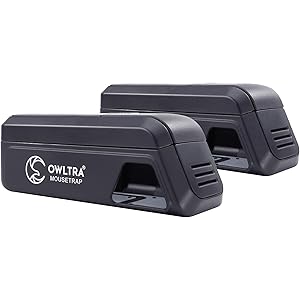
OWLTRA OW-2 Indoor Electric Mouse Trap 2 PCS, Instant Kill Rodent Zapper with Pet Safe Trigger, Black
$34.99 (as of 02/02/2026 04:42 GMT -03:00 - More infoProduct prices and availability are accurate as of the date/time indicated and are subject to change. Any price and availability information displayed on [relevant Amazon Site(s), as applicable] at the time of purchase will apply to the purchase of this product.)
Sign up for our newsletter and stay up to date with exclusive news
that can transform your routine!


