
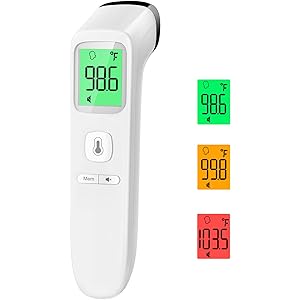
No-Touch Thermometer for Adults and Kids, Accurate Digital Baby Thermometer, Fever Alarm & Silent Mode, 2 in 1 Forehead & Object Mode
$15.99 (as of October 13, 2025 17:48 GMT +00:00 - More infoProduct prices and availability are accurate as of the date/time indicated and are subject to change. Any price and availability information displayed on [relevant Amazon Site(s), as applicable] at the time of purchase will apply to the purchase of this product.)Understanding Hypertension in Pregnancy
Hypertension, commonly known as high blood pressure, is a significant health concern during pregnancy. It can affect both the mother and the developing fetus, leading to complications if not managed properly. Understanding the nuances of hypertension in pregnancy is crucial for expectant mothers and healthcare providers alike.
Types of Hypertension in Pregnancy
There are several types of hypertension that can occur during pregnancy. The most common include gestational hypertension, chronic hypertension, and preeclampsia. Gestational hypertension typically arises after the 20th week of pregnancy and usually resolves after childbirth. Chronic hypertension, on the other hand, is pre-existing and can pose risks throughout the pregnancy. Preeclampsia is a more severe condition characterized by high blood pressure and signs of damage to other organ systems, often requiring immediate medical attention.
Symptoms of Hypertension in Pregnant Women
Symptoms of hypertension in pregnancy can vary, but many women may not experience noticeable signs. Common symptoms include severe headaches, vision changes, abdominal pain, and swelling in the hands and feet. It is essential for pregnant women to monitor their blood pressure regularly and report any concerning symptoms to their healthcare provider to ensure timely intervention.
Causes of Hypertension During Pregnancy
The exact causes of hypertension during pregnancy are not fully understood, but several risk factors have been identified. These include obesity, a history of high blood pressure, age (especially women over 35), and multiple pregnancies (twins or more). Additionally, women with a family history of hypertension may be at a higher risk of developing this condition during pregnancy.
Diagnosis of Hypertension in Pregnancy
Diagnosing hypertension during pregnancy typically involves regular monitoring of blood pressure during prenatal visits. A reading of 140/90 mmHg or higher is generally considered high. Healthcare providers may also conduct urine tests to check for protein, which can indicate preeclampsia. Early diagnosis is crucial to managing the condition effectively and minimizing risks to both mother and baby.
Treatment Options for Hypertension in Pregnancy
Treatment for hypertension during pregnancy often depends on the severity of the condition. Mild cases may be managed with lifestyle changes such as diet modifications, increased physical activity, and stress management techniques. In more severe cases, medication may be prescribed to help control blood pressure. It is essential for pregnant women to work closely with their healthcare providers to determine the best treatment plan.
Potential Complications of Hypertension in Pregnancy
Hypertension in pregnancy can lead to several complications, including preterm birth, low birth weight, and placental abruption. In severe cases, it can result in serious conditions such as eclampsia, which involves seizures and can threaten the life of both mother and child. Understanding these risks underscores the importance of regular prenatal care and monitoring.
Preventive Measures for Hypertension in Pregnancy
While not all cases of hypertension can be prevented, certain lifestyle changes may reduce the risk. Maintaining a healthy diet rich in fruits, vegetables, and whole grains, along with regular exercise, can help manage weight and blood pressure. Additionally, avoiding excessive salt intake and managing stress through relaxation techniques can also be beneficial for pregnant women.
Monitoring and Follow-Up Care
Ongoing monitoring and follow-up care are vital for pregnant women diagnosed with hypertension. Regular check-ups with healthcare providers can help track blood pressure levels and assess the health of both mother and baby. Women should be encouraged to communicate openly with their healthcare team about any concerns or changes in their health status throughout their pregnancy.
Conclusion: The Importance of Awareness
Awareness and education about hypertension in pregnancy are essential for ensuring the health and safety of both mothers and their babies. By understanding the risks, symptoms, and management strategies, expectant mothers can take proactive steps to maintain their health during this critical time. Regular prenatal care and open communication with healthcare providers are key components in managing hypertension effectively.