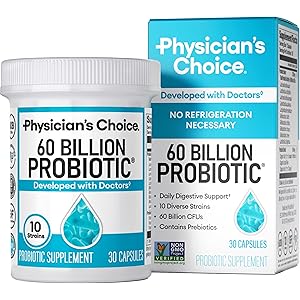
Physician's Choice Probiotics 60 Billion CFU - 10 Strains + Organic Prebiotics - Immune, Digestive & Gut Health - Supports Occasional Constipation, Diarrhea, Gas & Bloating - for Women & Men - 30ct
$23.97 (as of December 8, 2025 16:22 GMT +00:00 - More infoProduct prices and availability are accurate as of the date/time indicated and are subject to change. Any price and availability information displayed on [relevant Amazon Site(s), as applicable] at the time of purchase will apply to the purchase of this product.)Understanding Yogurt Micronutrients
Yogurt is not just a delicious dairy product; it is also a powerhouse of micronutrients that contribute significantly to our overall health. Micronutrients are essential vitamins and minerals that our bodies require in small amounts to function optimally. In yogurt, these micronutrients play a crucial role in supporting various bodily functions, from immune health to bone strength.
Vitamins in Yogurt
One of the standout features of yogurt micronutrients is the presence of essential vitamins. Yogurt is particularly rich in B vitamins, including B2 (riboflavin), B12 (cobalamin), and B6 (pyridoxine). These vitamins are vital for energy metabolism, red blood cell formation, and maintaining a healthy nervous system. Additionally, yogurt often contains vitamin D, which is crucial for calcium absorption and bone health, making it a great dietary source for those who may not get enough sunlight.
Minerals Found in Yogurt
In addition to vitamins, yogurt is an excellent source of several important minerals. Calcium, one of the most abundant minerals in yogurt, is essential for maintaining strong bones and teeth. It also plays a role in muscle function and nerve signaling. Yogurt also contains potassium, which helps regulate blood pressure and supports heart health, and magnesium, which is involved in over 300 biochemical reactions in the body.
Probiotics and Their Micronutrient Benefits
Another significant aspect of yogurt micronutrients is the presence of probiotics. These beneficial bacteria not only contribute to gut health but also enhance the absorption of micronutrients. Probiotics can help break down food, making it easier for the body to access vitamins and minerals. This symbiotic relationship between probiotics and micronutrients makes yogurt a unique food that supports overall health.
Yogurt as a Source of Antioxidants
Yogurt also contains antioxidants, which are compounds that help protect the body from oxidative stress. While not traditional micronutrients, antioxidants play a vital role in neutralizing free radicals and reducing inflammation. Some yogurts are fortified with additional antioxidants, such as vitamin E and selenium, further enhancing their health benefits.
Impact of Yogurt Micronutrients on Immune Health
The micronutrients found in yogurt, particularly vitamins A, C, and D, along with probiotics, can significantly impact immune health. These nutrients work together to strengthen the immune system, helping the body to fend off infections and illnesses. Regular consumption of yogurt can be a delicious way to boost your immune defenses.
Yogurt and Bone Health
Given its high calcium and vitamin D content, yogurt is an excellent food choice for promoting bone health. These yogurt micronutrients are essential for maintaining bone density and preventing conditions such as osteoporosis. Incorporating yogurt into your diet can be particularly beneficial for children, adolescents, and older adults who are at higher risk for bone-related issues.
Yogurt Micronutrients and Digestive Health
The probiotics in yogurt not only aid in nutrient absorption but also play a crucial role in digestive health. They help maintain a balanced gut microbiome, which is essential for proper digestion and nutrient uptake. The presence of fiber in some yogurt varieties further enhances digestive health, making yogurt a great addition to a balanced diet.
Choosing the Right Yogurt for Maximum Micronutrient Benefits
When selecting yogurt for its micronutrient content, it’s essential to choose varieties that are low in added sugars and rich in live cultures. Greek yogurt, for instance, is often higher in protein and can contain more probiotics than regular yogurt. Additionally, opting for plain yogurt allows you to control the sweetness by adding fresh fruits or natural sweeteners, maximizing both flavor and health benefits.