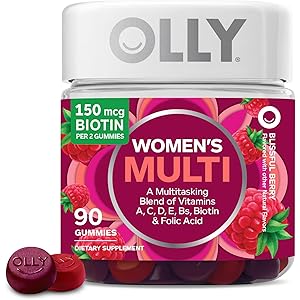
OLLY Women's Multivitamin Gummy, Vitamins A, D, C, E, Biotin, Folic Acid, Adult Chewable Vitamin, Berry Flavor, 45 Day Supply - 90 Count
$9.42 (as of December 8, 2025 16:22 GMT +00:00 - More infoProduct prices and availability are accurate as of the date/time indicated and are subject to change. Any price and availability information displayed on [relevant Amazon Site(s), as applicable] at the time of purchase will apply to the purchase of this product.)Understanding Vitamins for Cardiovascular Health
Vitamins play a crucial role in maintaining cardiovascular health, acting as essential nutrients that support the heart and blood vessels. Among these, vitamins such as B6, B12, C, D, and E are particularly significant. They contribute to various physiological processes, including the regulation of blood pressure, reduction of inflammation, and prevention of arterial plaque buildup. Understanding the specific functions of these vitamins can help individuals make informed dietary choices to enhance their heart health.
The Role of Vitamin B6 in Heart Health
Vitamin B6, also known as pyridoxine, is vital for amino acid metabolism and the production of neurotransmitters. It helps in the formation of hemoglobin, which carries oxygen in the blood. Adequate levels of Vitamin B6 can lower homocysteine levels, an amino acid linked to an increased risk of heart disease. Foods rich in Vitamin B6 include poultry, fish, potatoes, and non-citrus fruits, making it essential for a heart-healthy diet.
Vitamin B12 and Its Impact on Cardiovascular Function
Vitamin B12 is essential for red blood cell formation and neurological function. It works closely with folate and Vitamin B6 to regulate homocysteine levels. High homocysteine levels are associated with an increased risk of cardiovascular diseases. Sources of Vitamin B12 include animal products such as meat, dairy, and eggs, making it crucial for those following a vegetarian or vegan diet to consider supplementation.
The Antioxidant Properties of Vitamin C
Vitamin C is a powerful antioxidant that protects the body from oxidative stress, which can lead to cardiovascular diseases. It aids in the regeneration of other antioxidants and supports the health of blood vessels by promoting collagen synthesis. Citrus fruits, strawberries, and bell peppers are excellent sources of Vitamin C, and incorporating these into your diet can significantly benefit heart health.
Vitamin D and Cardiovascular Health
Vitamin D is often referred to as the “sunshine vitamin” due to its production in the skin in response to sunlight. It plays a role in calcium metabolism and has been linked to heart health. Low levels of Vitamin D have been associated with an increased risk of hypertension and heart disease. Fatty fish, fortified dairy products, and supplements are common sources of Vitamin D, making it essential for overall cardiovascular wellness.
The Heart-Healthy Benefits of Vitamin E
Vitamin E is another important antioxidant that helps protect cells from damage caused by free radicals. It plays a role in immune function and skin health, but its benefits extend to cardiovascular health as well. Vitamin E can help prevent the oxidation of LDL cholesterol, a key factor in the development of atherosclerosis. Nuts, seeds, and green leafy vegetables are rich in Vitamin E, making them excellent additions to a heart-healthy diet.
Combining Vitamins for Optimal Heart Health
While each vitamin plays a unique role in cardiovascular health, they often work synergistically. A balanced intake of these vitamins through a varied diet can enhance their individual benefits. For instance, the combination of Vitamins B6, B12, and C can effectively lower homocysteine levels, while Vitamins D and E can improve overall heart function. Emphasizing a diet rich in fruits, vegetables, whole grains, and lean proteins can ensure adequate intake of these essential nutrients.
Supplementation: When Is It Necessary?
While obtaining vitamins from food is ideal, some individuals may require supplementation due to dietary restrictions, health conditions, or lifestyle factors. It is essential to consult with a healthcare professional before starting any supplements, as excessive intake of certain vitamins can lead to adverse effects. Tailoring supplementation to individual needs can help optimize cardiovascular health without the risk of toxicity.
Conclusion: The Importance of a Holistic Approach
Incorporating vitamins into your diet is just one aspect of maintaining cardiovascular health. A holistic approach that includes regular physical activity, stress management, and a balanced diet is crucial for optimal heart function. By understanding the role of vitamins in cardiovascular health, individuals can make informed choices that support their overall well-being and longevity.